06) Babylon LA Donate All Proceeds to the LA Fire Disaster Relief
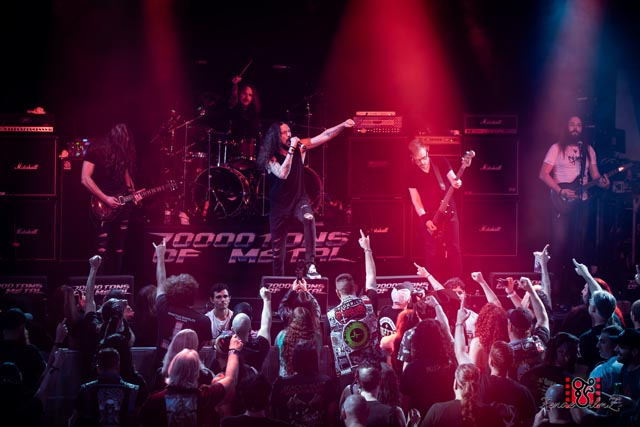
Garret and Lee of Trash Talk aren’t just relics of an era; they’re a part of a legacy band that could easily rest on reputation alone, and yet they don’t. Giving their Babylon LA proceeds to the LA fire disaster relief at the beginning of this year was a deliberate act that recognized music’s truest currency isn’t just money, it’s empathy made audible. Their reach extends from the desperately healing streets of LA to their new progression in Japan, where they’ve poured sweat, time, and energy into projects that transcend fan service and feel genuinely human. This is what it means to be a legacy band on their terms: not merely remembered for performances, but for the real, persistent ways they leave the world slightly better, carrying an ethos that whispers, “Yes, we’re icons—but being remembered doesn’t exempt us from care.”
Read the original article.
Photo Credit: Mathieu Bredeau
05) Zenae Interviews Biohazard and the cops do cop things….
It’s always a rare kind of joy when the person actually doing the impossible, keeping this swarm of Metal Insider writer kittens in check and organized, gets a moment to just laugh. Zenae Zukowski, our fearless editor and undisputed ringmaster, was literally in a Biohazard interview when the cops decided they deserved their own starring role in the segment. And somehow, in true Zenae fashion, she navigated the chaos without missing a beat.
Here’s the interview.
04) Brent Hinds’ final ride
There’s a tragic poetry in a 51-year-old icon of progressive metal being killed by the very thing that defined his persona: speed. Brent Hinds, co-founder and guitarist of Mastodon, was clocked at nearly twice the posted limit when his Harley collided with a BMW in Atlanta, proving once again that life imitates reckless art in ways no one ever wants to witness firsthand. The crash report left no ambiguity—he was at fault—but the “March of Hinds,” a parade of fans and family celebrating his life, reframed the story: a chaotic, loud, communal eulogy to someone who spent his career chasing transcendence, both musically and literally, on two wheels. It’s the kind of headline that reads like a metaphor you didn’t know you needed: living fast, dying fast, remembered even faster.
Read the Original article.
03) Rob Reiner and Michele Singer: The Tragic, Surreal End of a Cultural Architect
In a twist so dark it practically riffs on one of his own films, Rob Reiner—the director who taught us that heavy metal could be absurdly sacred through This Is Spinal Tap—and his wife, Michele Singer, were found dead in their Brentwood home, apparently at the hands of family. Reiner spent decades balancing comedy, heartbreak, and the occasional cinematic misfire (North, anyone?) to create a legacy that feels both impossibly polished and wonderfully human. Now, at 78, he’s gone, leaving behind sequels, unfinished projects, and the lingering sense that someone who orchestrated so many perfectly ridiculous moments in pop culture just walked off stage mid-riff. It’s the kind of tragedy that feels scripted—if life were a Spinal Tap movie, this would be the scene that makes you laugh and recoil at the same time, and then quietly question your own mortality.
Read the original article.
02) Dave Shapiro’s Passing
Dave Shapiro’s death feels less like a headline and more like a load-bearing wall suddenly gone. At 42, he embodied the rare balance of curiosity and experience, ambition and tempered recklessness—the kind of recklessness that made devotion his creed. He co-founded Sound Talent Group, helped define independence in modern alternative music, and guided artists from Hanson to Parkway Drive with an ethos rooted in straightedge hardcore: people first, momentum always. Bands weren’t assets; careers weren’t products; they were living systems he nurtured with care, listening, presence, and generosity. Flying was his other language, a space of focus and clarity that mirrored his approach to life and work. Tributes poured in as thank-you notes: artists remembered a mentor, a confidant, a family figure. Shapiro didn’t die at the end of his story; he died in motion, leaving a legacy of momentum, kindness, and quiet infrastructure that will keep propelling people forward long after the noise fades.
Read the original article.
Writing about this is not easy. No one should feel comfortable confronting loss like this. At the Gates' video for their latest single, "The Fever Mask," goes far beyond the typical performance video format, cutting much deeper on an emotional level. Compiled by...
Australian-Finnish dark metal act The Eternal have unveiled a lyric video for the song, "Bleeding Into Light." The track is taken from their new EP, Celestial, which arrived last month via Reigning Phoenix Music. Vocalist and guitarist Mark Kelson comments: "The...
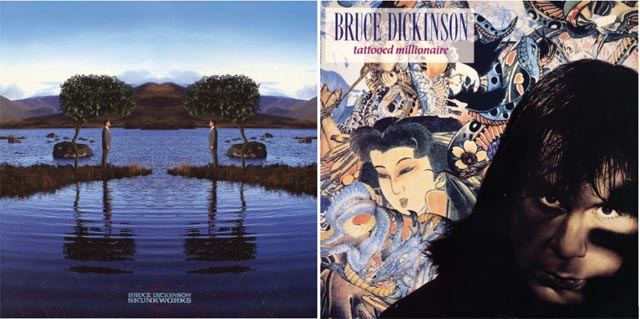
In celebration of the 30th anniversary of his third solo album, Skunkworks, Bruce Dickinson has unveiled newly remixed Dolby Atmos versions of both Skunkworks and his 1990 debut Tattooed Millionaire, available now via BMG Rights Management. The releases follow last...
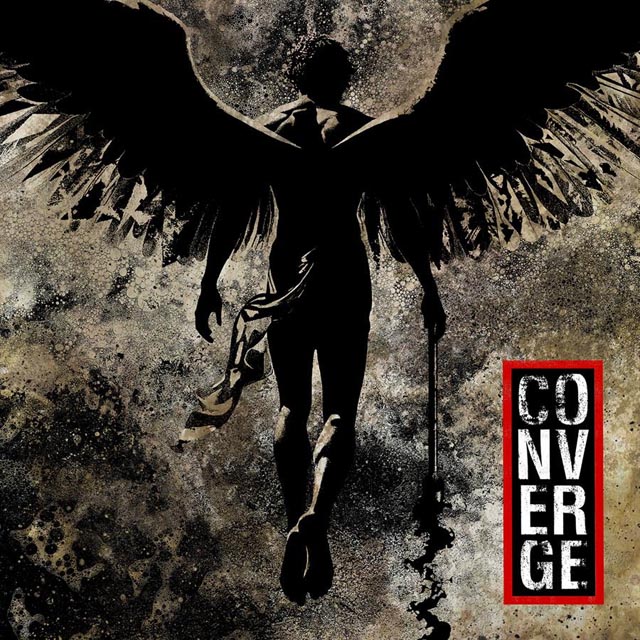
New & Noteworthy is Metal Insider’s weekly column highlighting some of the newest rock and metal releases coming out each week. This week sees new music from the likes of Converge, Gogol Bordello, Mariachi El Bronx and Story Of The Year amongst the many...
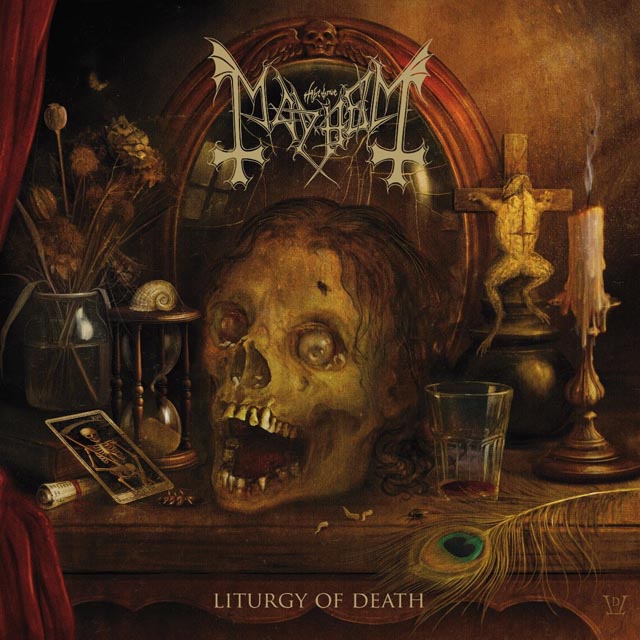
New & Noteworthy is Metal Insider’s weekly column highlighting some of the newest rock and metal releases coming out each week. The first New Music Friday of February sees LPs from the likes of Puscifer, KMFDM, Mayhem and Tailgunner amongst the many outstanding...
New & Noteworthy is Metal Insider’s weekly column highlighting some of the newest rock and metal releases coming out each week. This week’s new albums include music from the likes of Blackwater Holylight, Buzzcocks, Kula Shaker and MØL amongst the many outstanding...


 06) Babylon LA Donate All Proceeds to the LA Fire Disaster Relief
 04) Brent Hinds’ final ride
 03) Rob Reiner and Michele Singer: The Tragic, Surreal End of a Cultural Architect
 02) Dave Shapiro’s Passing