If you’d asked me at the end of 2024 what 2025 would bring for metal, I’d have drawn a neat little diagram: a few tours, a reunion no one needed, a legacy album. Reality? Metal showed up like a drunken uncle at a wedding, breaking every rule, mixing heartbreak with absurdity, and somehow making chaos feel essential. Nothing made sense, but everything mattered, as if the music itself was insisting that feeling, raw, messy, relentless—was the point all along.
Here are my top 10 shocking, lovable, and timeless moments for 2025:
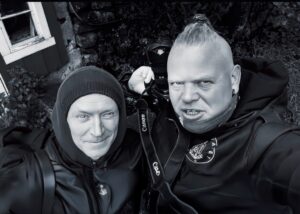
10) Slagmaur’s General Gribbsphiiser & Thorns’ Snorre Ruch’s brilliant social experiment made me stop trusting the internet, completely:
In the most 2025 way imaginable, Snorre Ruch of Thorns and Slagmaur’s General Gribbsphiiser proved that the most extreme form of Black Metal is simply presenting a lie with excellent lighting and letting decent people do the rest. They didn’t release an album so much as they released a missing-persons case: a Blair Witch Project engineered for people who believe footnotes equal truth, complete with weather updates, rescue logistics, ominous photography, and a fake Norwegian news outlet that looked too competent to doubt. The metal world reacted with collective adult panic, we shared solemnly, worried ethically, and felt morally obligated to believe it, which is precisely why it worked. When the reveal came, that the whole thing was a meticulously planned performance piece tied to Hulders Ritual, complete with real rescue teams using it as a training exercise, it didn’t make us feel stupid so much as spiritually mugged. Nobody died, nobody was hurt, and the only casualty was our ability to trust the internet ever again, as we realized the scariest thing about Black Metal in 2025 isn’t Satan or darkness, but how easily reality will cosplay as truth if you dress it in enough snow, sincerity, and Scandinavian restraint.
Read the Original Article.
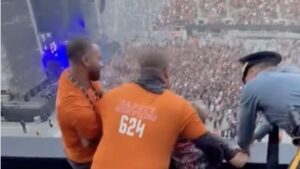
09) Uhh, lewd misconduct at a KoRn concert…
There are bad decisions. There are worse decisions. And then there’s whatever that guy thought he was doing at the KoRn/System of a Down show. In August, at a New Jersey date that will now live in collective nu-metal folklore, a man decided the balcony seating was also apparently a private space. The crowd, unified by horror, disgust, and a shared understanding of social contracts, reacted immediately. Another fan vaulted multiple rows and punched him, not in anger, but in what felt like crowd-sourced ethics enforcement. Security and police dragged the offender out as he clung to the venue in visible confusion, seemingly stunned that thousands of people had agreed—instantly and unanimously, that whatever metal culture tolerates in 2025, this was not on the setlist. It’s rare that something happens at a KoRn concert that makes everyone there say, “Hey man, too far,” but here we are. If Dante were alive, he’d need an extra circle.
Read the Original Article.
08) Vitriol’s Gas-Station Apocalypse
Vitriol’s implosion is what happens when a technically elite death-metal band speedruns every cautionary tour tale simultaneously. Somewhere between Canada, Vermont (or maybe not Vermont), and emotional maturity comparable to a malfunctioning Roomba, the entire band quit mid-tour and allegedly left their frontman at a gas station. The remaining members summarized the situation with philosophical precision: “He fucked around and found out.” The abandoned frontman responded with cocaine paranoia, police involvement, disputed geography, and a GoFundMe that made the entire saga feel like an A24 road-trip movie about emotional collapse. Extreme metal isn’t just about sonic brutality—it’s about the quiet terror of realizing your bandmates hate you enough to strand you next to a Slim Jim display.
Read the original article.
07) Limp Bizkit’s Sam Rivers Becomes an Unexpected Headline…
Sam Rivers’ story is a kind of cultural paradox: a man central to one of the most bizarre arcs in modern rock, Limp Bizkit, a band that somehow mutated from underground curiosity to global villain to ironic punchline to reluctant legacy act, yet whose presence was almost invisible in the chaos. Rivers was the bassist, which in Limp Bizkit meant less flashy skill and more a gravitational insistence, the low end that made everything feel inevitable, while the world argued about red hats, suburban rage, and Woodstock ’99. When he died on October 18th at age 48 from liver disease, it landed quietly, without the melodrama or reevaluation that usually follows rock obituaries. And that quietness is telling: Limp Bizkit were never about individuals, they were about moments, the soundtrack of embarrassment and obsession and nostalgia tangled together, and Rivers, somehow, was the invisible thread holding it all in place.
Read the original article.
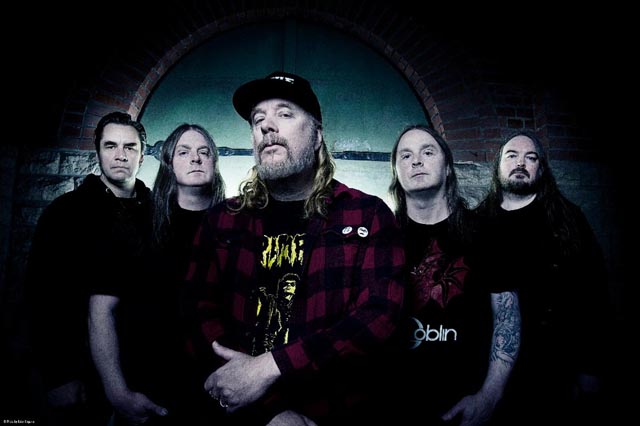
Writing about this is not easy. No one should feel comfortable confronting loss like this. At the Gates' video for their latest single, "The Fever Mask," goes far beyond the typical performance video format, cutting much deeper on an emotional level. Compiled by...
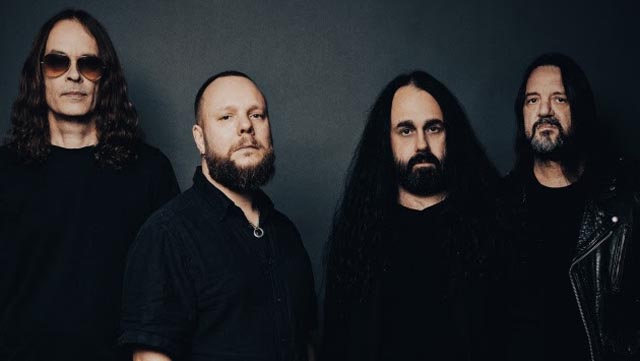
Australian-Finnish dark metal act The Eternal have unveiled a lyric video for the song, "Bleeding Into Light." The track is taken from their new EP, Celestial, which arrived last month via Reigning Phoenix Music. Vocalist and guitarist Mark Kelson comments: "The...
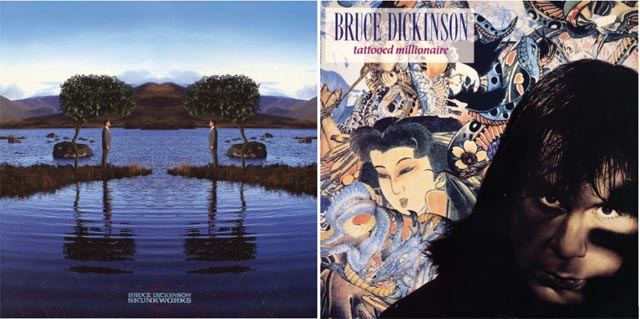
In celebration of the 30th anniversary of his third solo album, Skunkworks, Bruce Dickinson has unveiled newly remixed Dolby Atmos versions of both Skunkworks and his 1990 debut Tattooed Millionaire, available now via BMG Rights Management. The releases follow last...
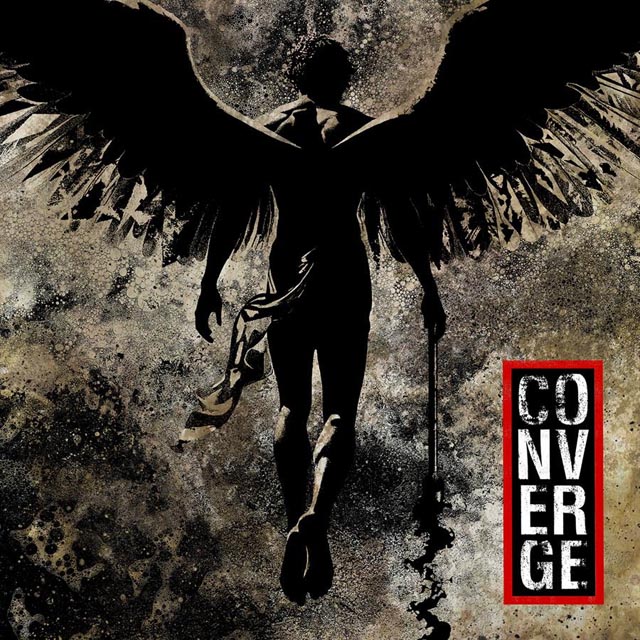
New & Noteworthy is Metal Insider’s weekly column highlighting some of the newest rock and metal releases coming out each week. This week sees new music from the likes of Converge, Gogol Bordello, Mariachi El Bronx and Story Of The Year amongst the many...
New & Noteworthy is Metal Insider’s weekly column highlighting some of the newest rock and metal releases coming out each week. The first New Music Friday of February sees LPs from the likes of Puscifer, KMFDM, Mayhem and Tailgunner amongst the many outstanding...
New & Noteworthy is Metal Insider’s weekly column highlighting some of the newest rock and metal releases coming out each week. This week’s new albums include music from the likes of Blackwater Holylight, Buzzcocks, Kula Shaker and MØL amongst the many outstanding...


 10) Slagmaur’s General Gribbsphiiser & Thorns’ Snorre Ruch’s brilliant social experiment made me stop trusting the internet, completely:
 09) Uhh, lewd misconduct at a KoRn concert…
 08) Vitriol’s Gas-Station Apocalypse
 07) Limp Bizkit’s Sam Rivers Becomes an Unexpected Headline…