Hardcore has a branding problem that isn’t musical. Too many people talk about it like it’s supposed to grow out of itself, as if the genre is an asshole teenager who refuses to apply for college. But hardcore was never designed to become something else. It was designed to stay. To insist. To repeat the same emotional sentence until it stopped sounding rhetorical and started sounding true. If you judge it by the standards of progress, you miss the human utility of the thing: hardcore isn’t about becoming better versions of ourselves so much as surviving as the same person for an unreasonable amount of time. Lionheart makes absolute perfect sense once you accept that premise.
The band splintered out of the Bay Area in 2004. Their first full-length, The Will to Survive, landed in 2007, and it was exactly as confrontational as that title sounds. There was no intellectual restraint, just rhythm-section hammering, riffs that looked like they could fracture bone, and lyrics that read like a war diary for people who equate resilience with bruising. What followed was a steady procession of records: Built on Struggle (2010), Undisputed (2012), and relentless touring that, for a while, made them trade-card figures in the global hardcore scene. The 2014 Welcome to the West Coast EP even topped iTunes and Google Play metal charts, which is the kind of achievement that, in theory, should make you feel entire, but in practice just encourages you to throw more elbows.
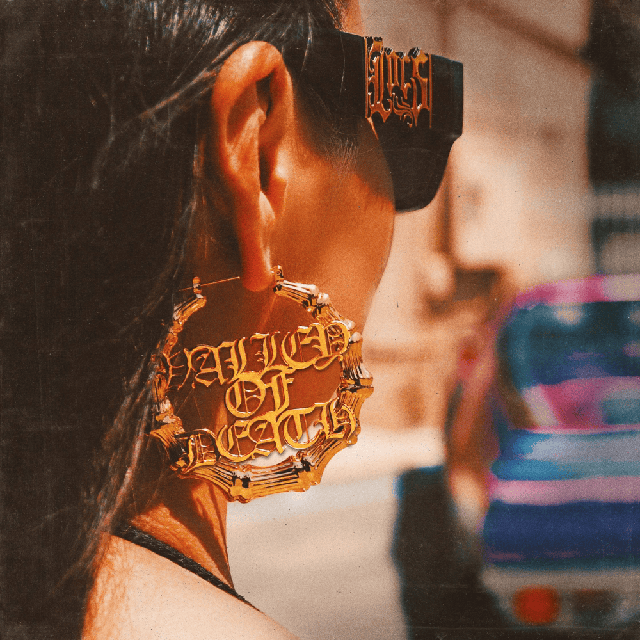
In 2016, Love Don’t Live Here landed and, true to form, the title wasn’t perverse; it was the most therapeutic nihilism in motion. Shortly after, they announced a breakup, booked a farewell European tour, and then pulled the classic move of every rock band with attachment disorder: they came back in 2017. The reunion brought Welcome to the West Coast II and then Valley of Death in 2019, darker and meaner, like they learned something but weren’t sure how to express it. That post-2017 period feels critical. It’s not just that they re-formed; it’s that they doubled down on the idea of Lionheart as an institution, a thing that exists somewhere between self-help seminar and anger management seminar gone sideways. Their Welcome to the West Coast III effort in 2022 featured collaborations with figures like Hatebreed’s Jamey Jasta and turned what could’ve been nostalgia into a reinterpretation of what a West Coast hardcore band means in the 2020s.
The lineup has shifted over time, but vocalist Rob Watson has been the narrative constant, less a singer, more a voice-of-doom in the wilderness. These days, the band has an almost paradoxical reputation: revered and reviled in equal measure, especially in hardcore forums where the very notion of them as “authentic” gets debated with theological fervor. The irony isn’t lost on anyone, a band whose ethos is built around uncompromising authenticity becomes a lightning rod for questions about genuineness. Valley of Death II feels like the final throat punch, even though I am fully aware they have never-ending intentions of output.
The top three tracks that I have chosen to convince you that Vinyl is an emblem of data that shows conviction:
Track 7: Salt The Earth– sounds like a declaration that isn’t trying to convince you of anything, because conviction has already been decided; the riffs are blunt and circular, the tempo marches instead of sprints, and the vocal delivery feels less like performance than ferocious testifying from a soul that can’t stop being pissed, as if the song exists to document a life choice rather than dramatize it.
Track 9: In Love With The Pain– moves with the logic of structural engineering creating a sound that’s heavy not because it’s fast or flashy, but because it refuses momentum, grinding forward with the patience of something designed to outlast opposition.
Track 2: Chewing Through The Leash–sound wise is a complete contradiction, pairing metallic precision with hardcore’s instinct for confrontation, where the riffs feel sharpened rather than melodic and the atmosphere suggests not chaos, but control—the unsettling calm of a band that knows exactly how hard it’s hitting and why. The chanting aspect gives it so much fuel that I’m sure will be used wisely in a live setting.
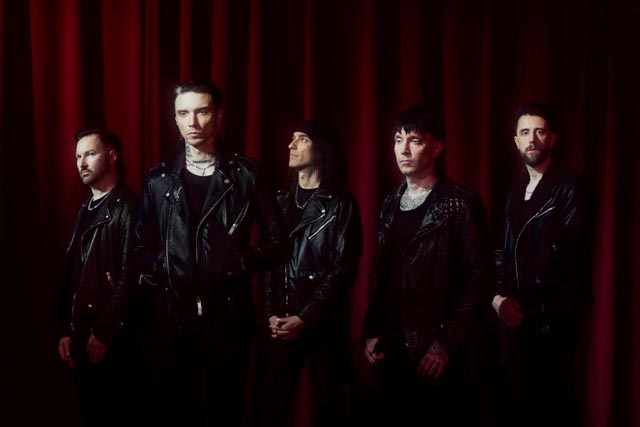
Black Veil Brides have dropped a video for their new single, “Certainty. The track will appear on the band’s forthcoming seventh studio album, due out later this year via Spinefarm. The video for “Certainty” was directed by George Gallardo Kattah and filmed while the...
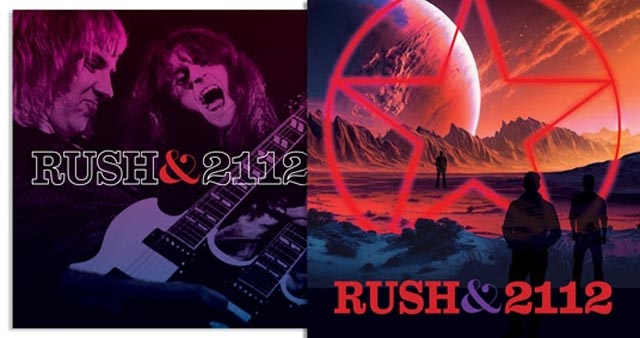
Motorbooks has announced Rush and 2112: 50 Years, an illustrated, slip-cased book celebrating the landmark album that reshaped the band’s legacy. Written by rock historian Daniel Bukszpan, the book is scheduled to arrive on March 10, 2026, just weeks ahead of the 50th...
Puscifer have released a visualizer for their latest single, “ImpetuoUs.” The track is the third single taken from their upcoming album, Normal Isn’t, scheduled to arrive on February 6 via Puscifer Entertainment/Alchemy Recordings/BMG. The visualizer also highlights a...
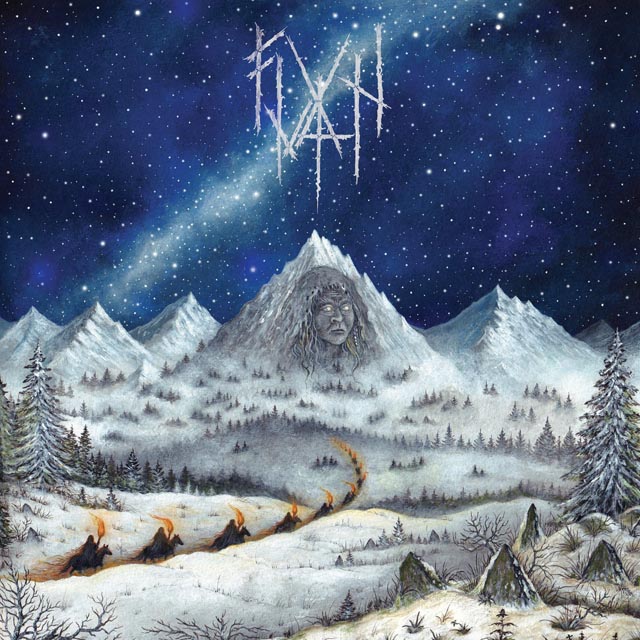
New & Noteworthy is Metal Insider’s weekly column highlighting some of the newest rock and metal releases coming out each week. Kicking off 2026, this week’s new music includes albums from the likes of Excavated Graves, Fuath, Wildhunt and Dawnbreaker amongst the...
New & Noteworthy is Metal Insider’s weekly column highlighting some of the newest rock and metal releases coming out each week. This week sees new muisc from the likes of Peter Criss, Dead Sun and Lychgate amongst the many outstanding works hitting shelves. Don’t...
New & Noteworthy is Metal Insider’s weekly column highlighting some of the newest rock and metal releases coming out each week. This New Music Friday sees new releases from the likes of Volumes, Lord Of The Lost and Windswept, as well as the debut full-length...