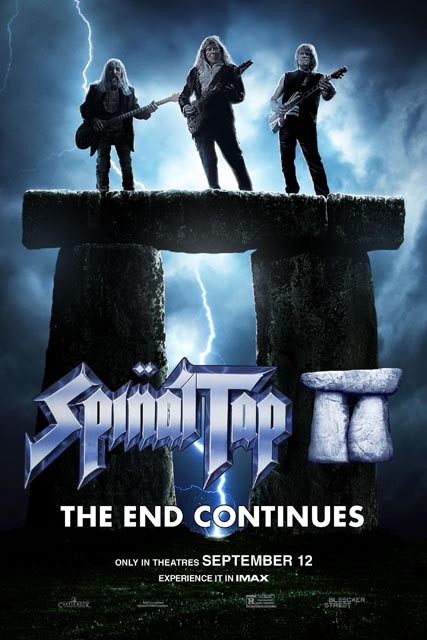
We are living in an age where streaming and theater markets rely heavily on franchises, reboots, and long-awaited sequels, with very little originality left to bring to the table. Most of these projects get lost in an oversaturated market, tangled in the streaming wars and the battle for endless content. Regardless of how well-known the cast is, how polished the script might be, or how much greenscreen is used, they often lack the sets, substance, and essentials that make a film memorable. If we were placed in a time machine back to 1984 and told what movies and the world would look like forty-plus years later, heads would surely turn. Some might even point toThe Terminator as a foreshadowing of what was to come. While many people today consume endless pieces of content regardless of quality or originality, there are rare turning points when a sequel, franchise, or reboot works, pulling us back into that system. Every so often, there’s a golden ticket hidden inside the sea of modern films, one that cuts through repetitive storytelling. One such success is director Rob Reiner’sreturn withSpinal Tap II: The End Continues.
Running under ninety minutes, the film is packed with hidden gems and surprise cameos that leave you wondering how they managed to get Lars Ulrich, Questlove, Paul McCartney, Elton John, and so many others involved. Sir Elton John, in particular, deserves credit for stealing scenes with his hilarity. The movie seamlessly blends these appearances with references to the world’s evolution over the past forty-plus years, from the boom of true crime podcasts and ghost-hunting/paranormal channels on YouTube to guided ghost tours and the growing presence of women in metal and the broader music industry. A lot has changed, and this film cleverly weaves those shifts into the narrative. It also captures the reality of bands reuniting decades later, making new records and tours while fans still cling tightly to albums from forty years ago. It reminds us of the energy required to put on a show, the hard work behind the scenes, and the devotion it takes to keep the music alive, all while keeping humor at the forefront.
The film stays true to the essence of 1984’sThis Is Spinal Tap, from the cheesy handheld shakiness to the satirical look at inner band struggles. Nigel Tufnel (Christopher Guest), David St. Hubbins (Michael McKean), and Derek Smalls (Harry Shearer) reunite after fifteen years apart, and the story explores where they’ve been and how they reconnect. This mirrors real-world relationships and the ongoing struggles bands face over the course of decades. The infamous “drummer curse” returns in the form of auditions, leading the band to female drummer Didi Crockett (Valerie Franco), who maintains a healthy lifestyle in hopes of avoiding the same fate as her predecessors. The dynamic between the band members reveals years of tension, old wounds, and the shifting importance of friendship as people age. Whether those bonds can be healed is part of what keeps you watching until the very last moments, including the full credit roll, which is essential to see how the story truly concludes.
The entire movie was a surprise, with how great it was. The details, from modern pop-culture references to today’s YouTube and podcast obsessions, blend perfectly with the satire of realistic storylines that bands often face when returning after so many years. Staying for the entire credits was genius, even if it may confuse some moviegoers. That said, a few scenes felt slightly drawn out, not holding attention as much as they could have. If you’re expecting a traditional three-act comedy, this may not be for you. But if you appreciate the guerrilla-style, documentary feel of the original, which in 1984 was ahead of its time, then this sequel is right up your alley. Do you need to see the first movie to enjoy this one? Not necessarily, though watching or revisiting it will deepen the experience. Ultimately, this stands out as one of the best sequels or reboots in recent years, and for it to return over forty years later feels surprisingly genius.
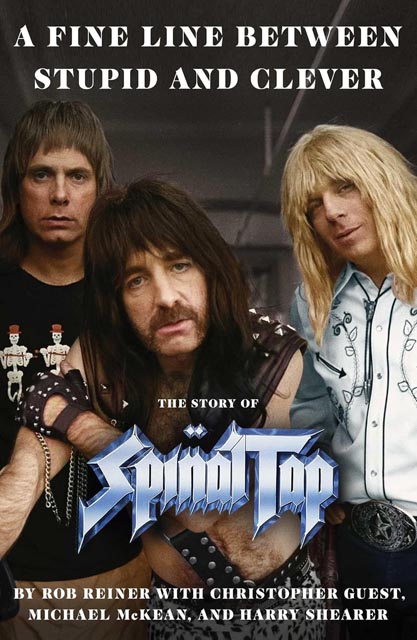
The humor is layered, with details tucked into nearly every scene. On rewatch, you’ll catch even more subtle jokes that add to the experience. It’s a film you’ll laugh through, enjoy, and recognize as both a mockery and an honest reflection of how bands attempt to reunite for one last show. Beyond the film, thesoundtrack delivers all the songs featured, complete with an album cover designed as an homage toCrosby, Stills & Nash’s 1969 record, photographed again by Henry Diltz, who even appears in the film. That kind of detail is brilliant. And to top it off, a companion book has been released, split into two parts:A Fine Line Between Stupid and Clever, where Reiner, Guest, McKean, and Shearer tell the real behind-the-scenes story, and Smell the Book, a playful “B-side” where their characters return in a mock oral history with Marty DiBergi. Fact and fiction collide beautifully, extending the humor beyond the screen.
This is comedy done right, sharp, satirical, and endlessly clever. Watch the film, read the book, spin the soundtrack, and most importantly, turn it up to 11.
Writing about this is not easy. No one should feel comfortable confronting loss like this. At the Gates' video for their latest single, "The Fever Mask," goes far beyond the typical performance video format, cutting much deeper on an emotional level. Compiled by...
Australian-Finnish dark metal act The Eternal have unveiled a lyric video for the song, "Bleeding Into Light." The track is taken from their new EP, Celestial, which arrived last month via Reigning Phoenix Music. Vocalist and guitarist Mark Kelson comments: "The...
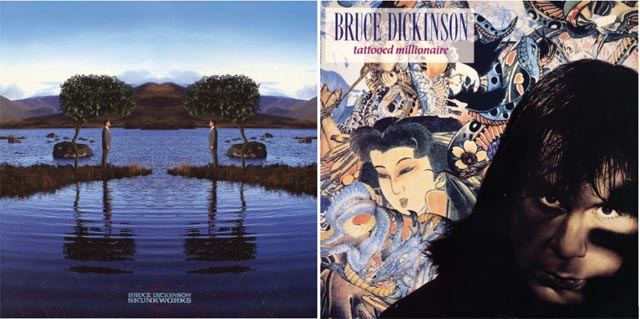
In celebration of the 30th anniversary of his third solo album, Skunkworks, Bruce Dickinson has unveiled newly remixed Dolby Atmos versions of both Skunkworks and his 1990 debut Tattooed Millionaire, available now via BMG Rights Management. The releases follow last...
New & Noteworthy is Metal Insider’s weekly column highlighting some of the newest rock and metal releases coming out each week. This week sees new music from the likes of Converge, Gogol Bordello, Mariachi El Bronx and Story Of The Year amongst the many...
New & Noteworthy is Metal Insider’s weekly column highlighting some of the newest rock and metal releases coming out each week. The first New Music Friday of February sees LPs from the likes of Puscifer, KMFDM, Mayhem and Tailgunner amongst the many outstanding...
New & Noteworthy is Metal Insider’s weekly column highlighting some of the newest rock and metal releases coming out each week. This week’s new albums include music from the likes of Blackwater Holylight, Buzzcocks, Kula Shaker and MØL amongst the many outstanding...