Since their beginning, electric guitars have experienced incredible changes as they have evolved in terms of appearance, functionality and acoustical features. From the first solid-body instruments, up to the latest models available in the market, every generation is adapted to the evolving needs of the artists, music genres, and production processes. Recognizing this development gives one information about the innovation and the engineering behind guitar creation.
Early Innovations in Shape and Form
The first generation of electric guitar appeared in the 1930s 1940s, and its design was focused on transportability and amplification rather than on aesthetics. The age was dominated by traditional arches, but creators needed lighter shapes more manageable. Switching from hollow bodies into solid ones brought major improvements in terms of feedback issues as well as the tonal consistency. These designs were adopted by musicians of the time in jazz and blues, with their warm and resonant timbre and added power.
The Birth of Iconic Models
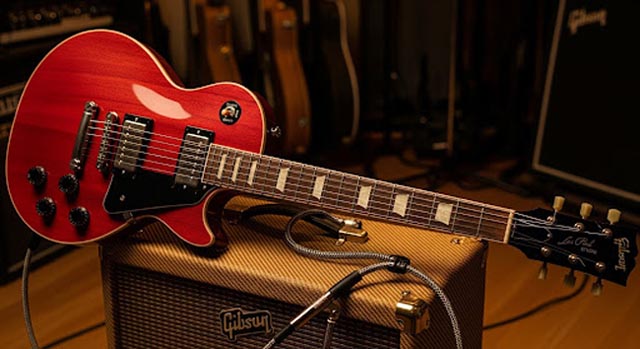
During the 1950s and 1960s, genres started to be characterized by the use of signature instruments. The Gibson Les Paul Studio found a niche among them by blending the old traditional craftsmanship with the usability of the modern world. Artists were attracted by its opulent sustain and balanced production and proved that tonal excellence could be combined with ergonomics and affordability. This era set a precedent: it was possible to make guitars look appealing and sound versatile.
Technological Advancements in Electronics
The design of amplification and pickup changed the possibilities of the guitar radically. The early single coil pickups provided bright and cutting tones but the humbucking technology provided fuller and warmer soundscapes and reduced noise. Integration of coil-splitting features, refined wiring, and switch settings increased the sonic capability of the guitar enabling one guitar to be used across different genres. Designers also started to experiment with active electronics and onboard preamps, which allowed performance consistency regardless of the venue or recording environment.
Material Innovations and Sustainability
Historically, tone was characterized by the choice of wood, but nowadays luthiers experiment with other materials to create new textures. There is the combination of the traditional maple and mahogany with laminates, composites and sustainably sourced hard wood. Through the use of density, resonance and weight, playability is maximized by the builder without sacrificing the rich tonal qualities. Finishes have also changed, with nitrocellulose lacquers replaced by UV-cured finishes, which are more durable than any previous finish and do not affect the vibration transfer.
Ergonomics and Playability
In subsequent decades, contour shaping to accommodate a variety of playing styles became crucial. Access to higher frets is made easier and fatigue is decreased by thinner bodies, contoured necks, and recessed cutaways. Computer-aided modelling is used by designers to improve ergonomics without compromising structural soundness. In order to balance comfort and tone, even headstock angles, fretboard radii, and bridge positions are carefully considered, making them suitable for both inexperienced players and seasoned pros.
Contemporary Trends in Guitar Aesthetics
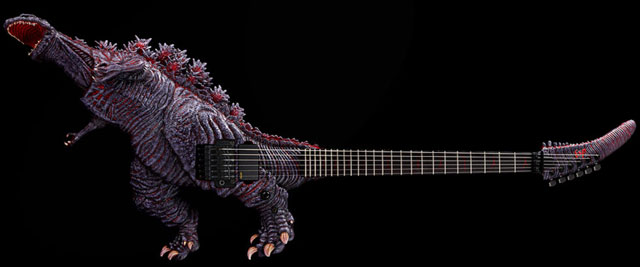
Sound is as important as the visual identity. Contemporary guitar designs are frequently characterized by loud finishes, multi-layered veneer and elaborate inlays. Minimalist styles co-exist with expressive designs, which represent the individualistic tastes of musicians. Aesthetic decisions can overlap with utility, as seen in some instruments using LED indicators, modular pickup systems, or carbon fiber reinforcements. After all, modern design celebrates performance and individuality.
The Role of Signature Models
Innovation is still influenced by collaborations with major artists. Not only do signature editions celebrate the individual tonal needs of musicians, but also put experimental features into the hands of more people. The changes in the scale length, position of pickups, and body weight provide some information about ergonomics and sound optimization. These models can serve as prototypes to future mainstream products, with a mixture of retro craftsmanship and cutting-edge engineering.
Future Directions in Guitar Evolution
In the future, digital integration and hybrid technologies can indicate new opportunities. MIDI compatibility, built-in effects, and real-time tone shaping are slowly trickling into mainstream instruments. 3D printing, novel composite materials, and intelligent materials may transform weight, resonance, and aesthetics. Musicians are also demanding adaptability, which would allow them to move smoothly between the studio and the stage.
The journey from early solid-body prototypes to the sophisticated electric guitars of today reflects a relentless pursuit of balance between tradition and innovation. Instruments like the Gibson Les Paul Studio exemplify how historical craftsmanship can coexist with modern demands, offering versatility and expressive potential. Guitar design remains a dynamic interplay of art, technology, and player insight, ensuring that each new generation of instruments continues to inspire creative exploration.